What's the real deal with metal garages and Mesa's heat? Do they just turn into an oven?
That's probably the most common question I get, and it's a good one, especially with our summers hitting 115 degrees. Look, any building, no matter what it's made of, will get hot if you don't plan ahead. A metal garage isn't magically immune to the sun, but it's also not inherently an oven. The trick is insulation and ventilation. We're talking about things like radiant barriers under the roof panels to reflect heat, proper wall insulation (R-13 or higher is a good start), and good cross-ventilation. That means vents near the eaves and ridge, or even powered attic fans. If you're going to spend a lot of time in there, or store sensitive items, you'll definitely want to consider a mini-split AC unit. Without these considerations, yes, it'll be hot. But with smart design, it's totally manageable and often more efficient to cool than a traditional stick-built structure because metal doesn't hold heat like masonry does once the sun goes down. Pretty neat, huh?
How long do these metal garages actually last in our Arizona climate?
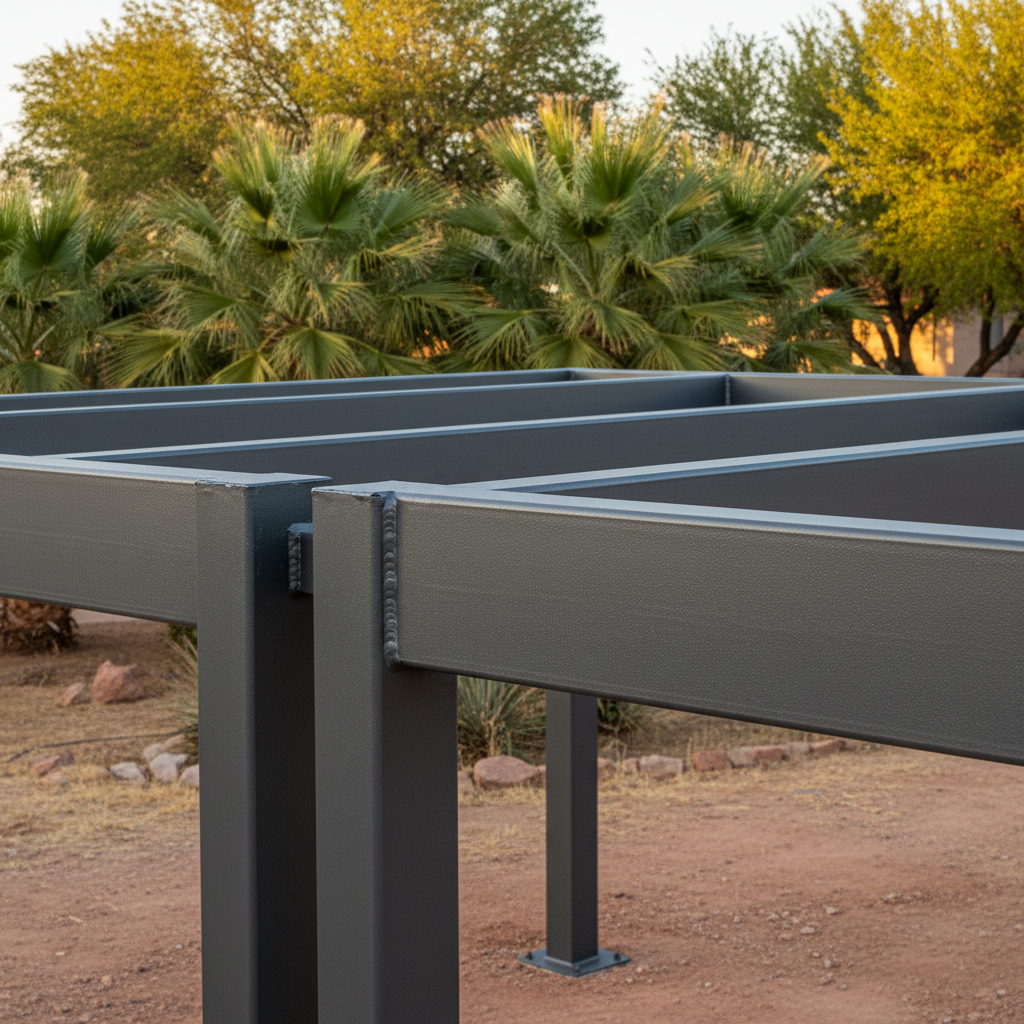
Honestly, a well-built metal frame garage from a reputable company like Champion Metal Buildings can easily last 30, 40, even 50 years or more here in Mesa. We're lucky in Arizona; we don't have the humidity and freeze-thaw cycles that really beat up buildings in other parts of the country. Our biggest enemies are intense UV radiation and the occasional monsoon. That's why the quality of the steel and its coating matters so much. We're talking about galvanized steel frames and panels with high-quality paint finishes, like Kynar 500, designed to resist fading and chalking from the sun. If you keep up with basic maintenance — like hosing off dust and checking for any minor rust spots that might pop up over decades — your metal garage will outlast most other structures on your property.
Do I need a concrete slab for my metal garage, or can it go on gravel?
For a permanent, enclosed metal garage, you absolutely need a concrete slab. Don't let anyone tell you otherwise. While some smaller, open carports or sheds might get away with a gravel base, a true garage needs a solid, level, and properly engineered foundation. This isn't just about stability; it's about protecting your investment from moisture, pests, and shifting ground. Mesa's caliche soil can be tricky, expanding and contracting with moisture, so a good slab with proper rebar and a vapor barrier is crucial. It also makes for a clean, usable interior floor. Trying to cut corners on the foundation is where most problems start down the road. It's the backbone of your building, after all.
What about permits and zoning? Is it a nightmare to get a metal garage approved in Mesa?
It's not a nightmare, but it's definitely not something you can skip. Mesa has specific requirements, just like any city. You'll need to check your property's zoning to make sure a detached garage is allowed. Then, you'll need a building permit. This usually means submitting plans, showing setbacks from property lines, and detailing things like the foundation, wind load ratings, and electrical if you're adding power. The good news is that metal building manufacturers often have pre-engineered plans that meet local codes, which really helps streamline the process. I always recommend homeowners either work with a contractor who handles permits, or at least get familiar with the City of Mesa Development Services Department website. Ignoring permits can lead to fines or even having to tear down your structure, which nobody wants.
Are metal garages noisy when it rains or hails?
People worry about this, and I get it. The image of a tin roof rattling in a storm comes to mind. But modern metal garages aren't like that old shed in your grandpa's backyard. The panels are thicker, and when properly insulated, that sound is significantly dampened. If you've got a good roof insulation system, like a radiant barrier combined with fiberglass or spray foam, you'll barely hear the rain. Hail is a different story; a really heavy hailstorm will make some noise, no matter the roof material. But it's usually not the deafening racket some imagine. The biggest thing is proper installation and insulation. A well-built metal garage won't be a distraction during a typical monsoon shower.
Can I customize a metal garage to match my house? I don't want it to look like a big industrial box.
Absolutely, you can. The days of metal buildings only coming in dull, industrial gray are long gone. Manufacturers offer a huge range of colors for the walls and roof panels, so you can pick something that complements your home's existing color scheme. Beyond color, you can add stucco or stone wainscoting to the lower portion of the walls, install windows that match your house, or choose decorative overhead doors. We can even do architectural trim and cupolas. Think about the overall aesthetic of your property in a neighborhood like Dobson Ranch or Red Mountain Ranch; you want something that adds value, not detracts from it. With smart design choices, your metal garage can look just as good, if not better, than a traditional garage, and blend right in. Who knew?
What's the typical timeline from ordering to having a finished metal garage?
This can vary quite a bit, but here's a general idea. Once you've finalized your design and gotten your permits (which can take anywhere from a few weeks to a couple of months, depending on the city's workload and your plans), the manufacturing of the metal components usually takes 4-8 weeks. Then, once the materials arrive on site and the concrete slab is poured and cured (give that at least a week or two), the actual erection of the metal building itself is surprisingly fast. For a standard two-car garage, my crew can often have the shell up and enclosed in a week or two. Add in a bit more time for any electrical, insulation, or interior finishing you want, and you're typically looking at a total project timeline of 3 to 5 months from the day you decide to move forward to the day you're parking your car inside. Planning ahead is key, especially if you're aiming to beat the summer heat for installation.