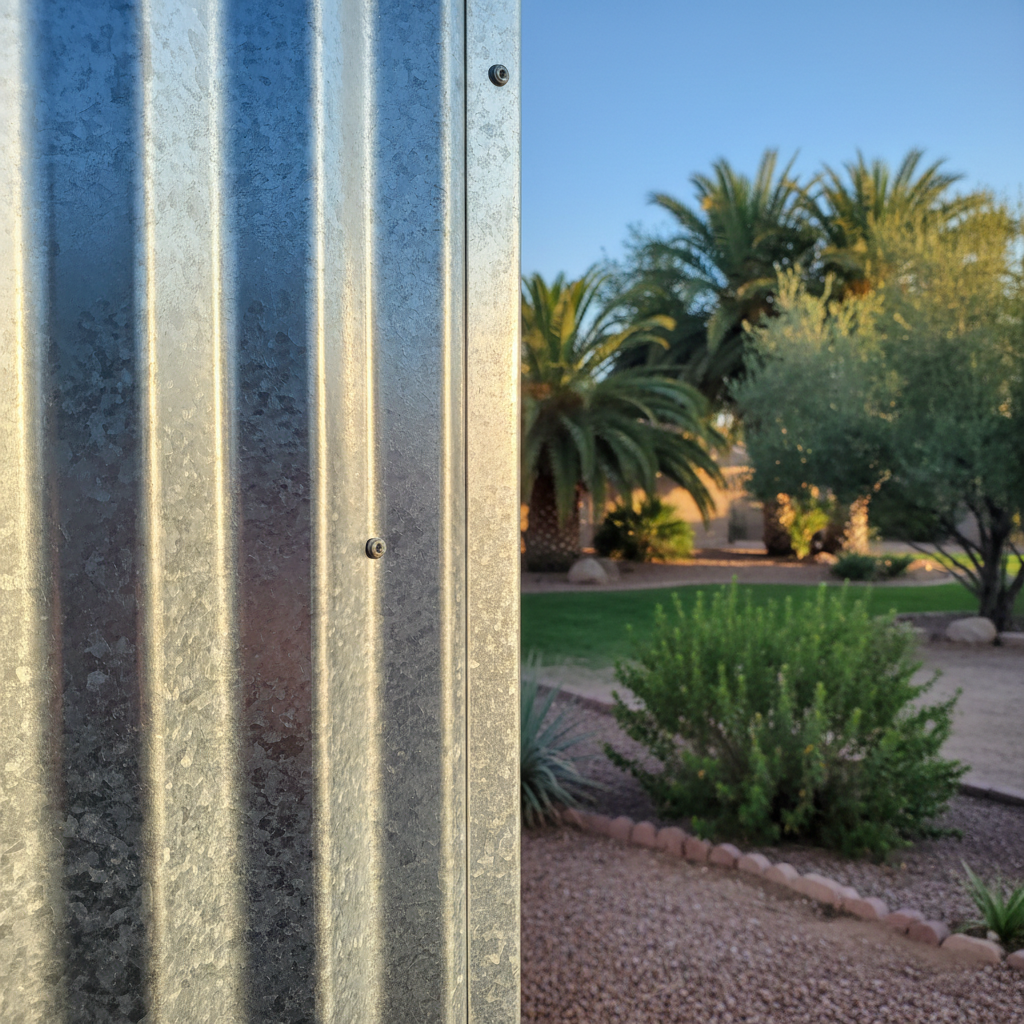
So, you're eyeing a metal pole barn for your property here in Mesa. Maybe it's for extra storage, a workshop, or even a covered spot for your RV. Good idea. These things are tough, practical, and honestly, they look pretty sharp when they're done right. But before you start digging, you're probably wondering: how much of this can I actually do myself, and when do I need to bring in the big guns?
Before You Even Think About Building
This is where most folks either set themselves up for success or a whole lot of headaches. Don't skip these steps, okay?
- Know Your Zoning & Permits: This is non-negotiable. Every city's got rules, and Mesa is no different. You need to know what size building you can put where, how close it can be to your property line, and what kind of permits you'll need. You'll likely need a building permit, and there might be specific requirements for things like setbacks or even color if you're in an HOA. Trust me, trying to build without a permit is a fast track to fines and having to tear it down. This isn't a DIY step; you need to talk to the City of Mesa's planning department.
- Pick the Right Spot: Think about drainage. We get some serious monsoon rains here, and you definitely don't want your new barn sitting in a puddle. Look for a high, level spot. Consider access for vehicles too – you'll need to get materials in, and later, whatever you're storing. Also, think about utilities. Do you need power or water in there? Planning for that upfront saves a ton of grief later.
- Foundation Matters: For most pole barns, you're looking at post-in-ground construction, but you still need a solid concrete slab or footings. This isn't a place to cut corners. A bad foundation means a crooked, unstable building down the line. If you're comfortable pouring concrete and getting it perfectly level, you *can* do this yourself. But if you've never done it, or if it's a big slab, I'd strongly recommend a concrete contractor. Getting it wrong is expensive to fix.
- Design Your Barn: How big do you need it? How many doors? Windows? What kind of roof? This is where Champion Metal Buildings comes in. We can help you design something that fits your needs and your budget. We'll make sure it's engineered to stand up to our Arizona sun and occasional high winds.
Getting the Structure Up: DIY or Pro?
Alright, you've got your permits, your site's prepped, and your materials are on order. Now for the actual build.
- Unloading & Organizing: This you can definitely do yourself. When your materials arrive, you'll want to carefully unload everything and organize it. Make sure nothing's bent or damaged. Check it against your packing list.
- Setting the Posts: This is a critical step. The posts need to be plumb (perfectly vertical) and at the correct depth and spacing. If you're good with a level, a tape measure, and you've got a post-hole digger (or can rent an auger), you *can* do this. But it's physically demanding, and getting them all perfectly aligned is tougher than it looks. Many DIYers get frustrated here. If you're unsure, a pro crew will have these up in no time, and they'll be straight.
- Framing (Trusses & Purlins): This involves lifting heavy trusses into place and securing them, then attaching the purlins (horizontal pieces that support the roof panels). This is where having a few strong friends, scaffolding, or even a small lift comes in handy. It's doable for a determined DIYer, especially if you've got detailed instructions. Safety is huge here – don't mess around with heights.
- Sheeting (Walls & Roof): Attaching the metal panels is generally pretty straightforward. You'll need a good drill, appropriate fasteners, and a keen eye for keeping things straight and overlapping correctly to prevent leaks. This is probably the most satisfying DIY part, as you really start to see your barn take shape. Just be careful on the roof, especially when it's hot. Those metal panels get scorching.
After the Main Structure is Up
Once the shell is complete, you've got options for finishing touches.
- Doors & Windows: Installing these is usually a pretty standard carpentry job. If you're comfortable with a level and a drill, you can handle this.
- Electrical & Plumbing: Unless you are a licensed electrician or plumber, you absolutely need to hire a pro for this. Seriously. Don't risk your safety or your property. Plus, you'll need inspections for these, and DIY electrical or plumbing work rarely passes muster.
- Insulation & Interior Finishing: Adding insulation, drywall, or other interior finishes is definitely a DIY-friendly project. It's time-consuming but doesn't require specialized licenses.
- Landscaping & Drainage: Once the barn is done, take another look at your site. Does water drain away from the building properly? You might need to add some gravel, a French drain, or adjust the grading, especially with our hard caliche soil here in Mesa that doesn't drain well.
Look, building a pole barn yourself can save you some money, and there's a real sense of accomplishment. But it's also a big project. Know your limits. For the structural integrity, permits, and anything involving utilities, bringing in a professional like us at Champion Metal Buildings is usually the smartest move. We've seen it all, and we can help you get it right the first time.