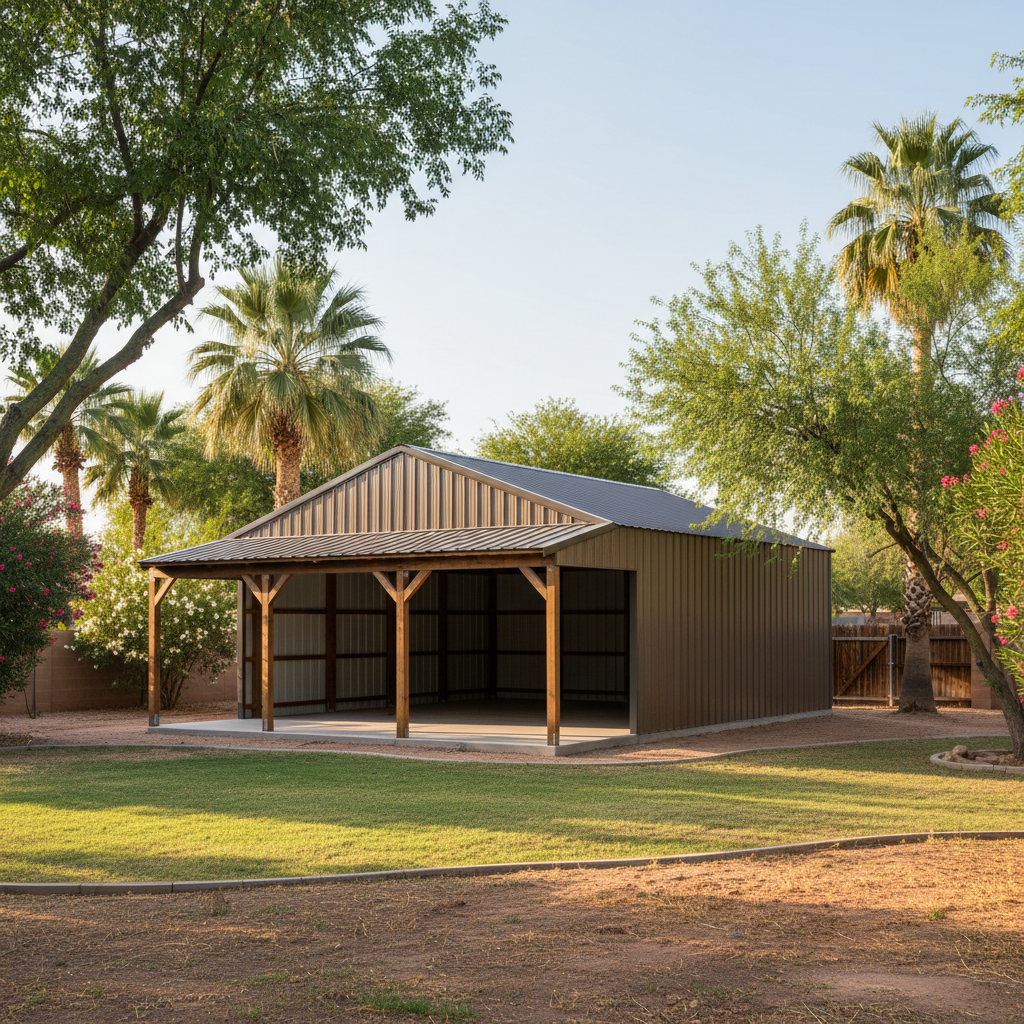
Alright, let's talk pole barns right here in Mesa. Maybe you've already got one, or you're just thinking about getting one, and honestly, that's a smart move. They're tough, super versatile, and really built to last. But "built to last" doesn't mean "built to ignore" – especially not with our wild desert weather, right? I've been doing this a long time, and I've seen what works and what absolutely doesn't when it comes to keeping these structures in top shape.
When's the Best Time to Build or Work On Your Pole Barn?
This is probably the question I get asked most often. Folks want to know when they should really commit to a new build or schedule major maintenance. My answer? It varies, but usually, it's not in the dead of summer. You know how brutal our summers are. We're talking 110+ degrees, baking sun, and the ground feeling like a griddle.
- Fall (October-November): This is prime time, no kidding. The heat finally breaks, the ground's still workable, and you don't have to worry about monsoon rains messing up your schedule. Crews are happier, materials are easier to handle, and everything just flows better.
- Winter (December-February): Another great window. Our winters are mild, usually sunny, and just perfect for outdoor work. The only real hiccup can be an occasional cold snap or a rare rainy day, but those usually don't stick around long.
- Spring (March-April): Good, but you're starting to push it with the heat. If you can get in early March, you're golden. By late April, though, we're already hitting the high 90s, and that makes for a tough work environment, especially for anything involving concrete or heavy lifting.
- Summer (May-September): Honestly, try to avoid major construction or repairs during these months if you possibly can. It's not impossible, but it slows everything way down. Crews start earlier, take longer breaks, and we have to be super careful about heat exhaustion. Plus, concrete cures differently in extreme heat, and it can be a real pain to work with some materials.
Weather Conditions That Really Affect the Job
Our Mesa weather isn't just about heat, you know. There are a few other things we always keep an eye on when we're out there building or repairing your pole barn.
- Monsoon Season (July-September): This is a big one. Those sudden, torrential downpours and high winds can shut down a job site fast. We're talking about flash flooding potential, especially in areas with caliche soil that doesn't drain well. You definitely don't want an open foundation getting swamped, or partially installed panels catching a huge gust of wind. We plan around these, but sometimes Mother Nature has other ideas.
- High Winds: Even outside of monsoon season, we get some pretty strong winds here. When we're putting up large metal panels, wind is a serious safety concern. It can turn a sheet of metal into a sail, and that's dangerous for everyone. We'll often pause work or reschedule if the winds are too high.
- Extreme Heat: I mentioned it already, but it's worth repeating. It's not just about comfort; it affects the materials themselves. Sealants might cure too fast, paint might bubble, and even the metal itself expands and contracts. We account for this in our designs at Champion Metal Buildings, but installation still needs careful timing.
Protecting Your Investment Year-Round
Once your pole barn is up, you want it to last. Here's how you keep it that way, no matter the season:
Regular Inspections: I tell everyone to do a walk-around at least twice a year. After monsoon season is a great time, and then again before summer really kicks in. Look for loose fasteners, damaged panels, or any signs of rust. Catching small issues early saves you big headaches later.
Drainage is Key: This is huge, especially if you're in an older Mesa neighborhood where the grading might not be perfect. Make sure water is flowing away from your foundation, not pooling around it. Gutters and downspouts are your best friends here. If water sits, it can undermine your foundation over time, even with a strong concrete slab.
Keep it Clean: Dust, dirt, and debris can accumulate, especially on the roof. Give it a good rinse now and then, or clear off any leaves or branches that might land up there. This prevents staining and keeps your metal looking good.
Check Your Doors and Windows: These are often the first things to show wear. Make sure seals are intact, and tracks are clear. Our dust storms can really gum up rolling doors if you're not careful.
Pest Control: While metal buildings aren't usually a feast for termites, other critters can still find their way in. Keep an eye out for rodent activity or bird nests, especially in eaves or around openings. A little preventative maintenance goes a long way.
Your pole barn is a workhorse, and with a little seasonal awareness and care, it'll serve you well for decades. If you ever have questions or need a hand with maintenance or repairs, you know who to call. We're always here to help you protect your investment.