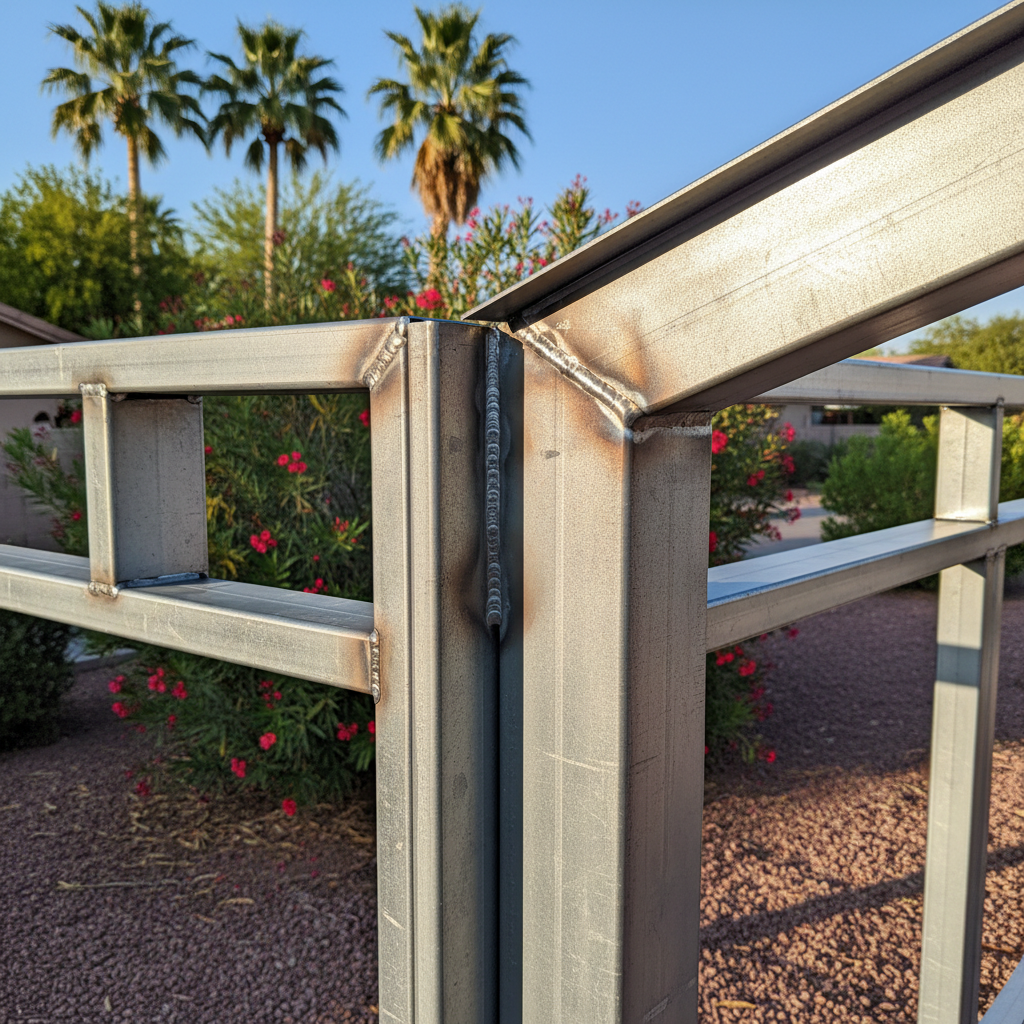
So, you're thinking about putting up a metal frame shed in your backyard, huh? Good idea. Around here in Mesa, with our blazing sun and the occasional monsoon downpour, a sturdy metal shed just makes sense. They're tough, they last, and honestly, they're a lot less hassle than wood in the long run. But before you go ordering a kit online, let's talk about what you're really getting into. I've seen a lot of these projects, both good and bad, and I want to give you the straight scoop.
Before You Buy: Planning is Everything
This is where most folks mess up, thinking they can just wing it. Don't. You've got to do your homework first. Here's what I tell everyone:
- Check Local Codes: Seriously, this is number one. Mesa has zoning ordinances, and you might need a permit, especially for anything over a certain size. You don't want to build a shed only to find out you have to tear it down because it's too close to your property line or too big for your lot. Give the city planning department a call. It'll save you a headache later.
- Pick the Right Spot: Think about drainage. We get those flash floods sometimes, and you don't want your shed sitting in a puddle. Also, consider access. How are you getting stuff in and out? And what about sunlight? If you're storing anything sensitive to heat, you might want some shade, or at least a spot where you can add some later.
- Foundation Matters: A metal shed isn't going to sit directly on dirt. You need a solid, level foundation. We're talking concrete slab, gravel pad, or even pressure-treated skids. For anything substantial, a concrete slab is usually your best bet. It's stable, keeps moisture out, and gives you a nice, clean floor.
- Size it Right: Don't just guess. Measure your tools, your lawnmower, your holiday decorations. Leave some room to move around. You'll always need more space than you think.
During the Build: DIY vs. Pro
Okay, you've got your kit, your foundation is ready, and you're staring at a pile of metal. Now what? A lot of these metal frame sheds are designed for DIY assembly, and many homeowners can handle it. But there are limits.
What you can probably DIY:
- Smaller Kits: If it's a basic 8x10 or 10x12 shed, and you're reasonably handy with tools, you can probably tackle it. Most come with pretty clear instructions.
- Bolt-Together Frames: These are usually straightforward. It's like a giant Erector Set. Just make sure you've got the right tools – a good drill, wrenches, a level, and a friend or two to help hold things up.
- Panel Installation: Once the frame is up, screwing on the metal panels is mostly repetitive work. Just be careful not to scratch them.
When to call a pro (like us at Champion Metal Buildings):
- Larger Sheds: Anything over, say, 12x20 gets tricky. The components are heavier, the frame needs to be perfectly square, and the sheer number of parts can be overwhelming.
- Welded Frames: If you're looking at a custom, heavy-duty metal shed with a welded frame, that's definitely a job for the pros. You need specialized equipment and expertise to do that safely and correctly.
- Complex Foundations: Pouring a concrete slab that's perfectly level and sloped for drainage is an art. If you're not confident, hire a concrete contractor. A bad foundation means a bad shed.
- Time Constraints or Lack of Tools: If you don't have the time, the right tools, or the patience, don't force it. A botched DIY job can end up costing you more than hiring someone in the first place.
- Wind Load Concerns: Mesa can get some serious wind gusts, especially during monsoon season. A professional builder will know how to properly anchor your shed to withstand those forces, which is crucial for longevity and safety.
After the Build: Keeping It Shipshape
Once your shed is up, you're not totally done. Metal sheds are low maintenance, but not no maintenance.
- Anchoring: Make sure it's properly anchored to the foundation. This is critical in our windy climate. Don't skimp here.
- Sealant Check: Periodically check any seams or joints for leaks. Our dry air can crack sealants over time. A little caulk can prevent a lot of headaches.
- Clear the Gutters (if you have them): If you added gutters, keep them clear of debris. You don't want water backing up.
- Rust Spots: While metal sheds are designed to resist rust, if you get a deep scratch or ding, touch it up quickly to prevent rust from spreading.
- Organization: This isn't about maintenance, but it's important. Get some shelving, hooks, and bins. A well-organized shed is a happy shed. You'll actually use it more if you can find what you need.
Putting up a metal frame shed is a solid investment for your Mesa home. Do your planning, be honest about your DIY skills, and don't be afraid to call in the experts when you need them. You'll end up with a storage solution that'll serve you well for years to come.